Trending Challenges for Music Festival Food and Beverage Vendors.
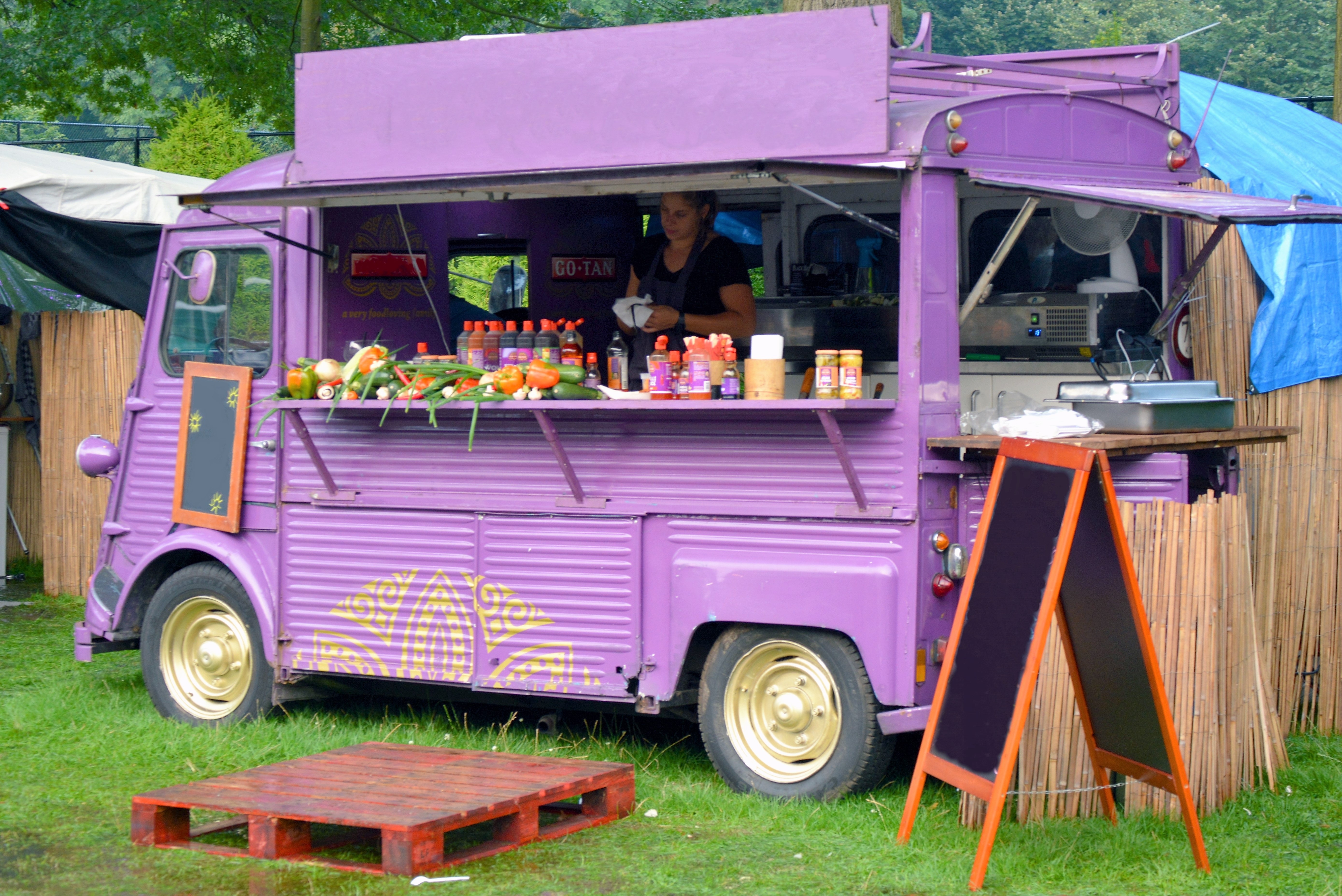
Any large-scale multi-day outdoor music festival relies on numerous food and beverage vendors in order to meet the demand from thousands of festival-goers. Despite vendor pitch spaces being oversubscribed for many events, vendor operators still face numerous challenges to satisfy organisers, festival-goers and their own profitability.
A combination of factors like rising costs, changing organiser and festival-goer expectations, sustainability requirements and increased use of digital technology are all putting pressure on food and beverage vendors. This is impacting prices experienced by festival-goers making purchases on festival sites feel expensive as vendors adopt changes. What are the most challenging changes taking place in the music festival food and beverage vendor sector.
Satisfying Dietary Diversity and Food Safety Requirements.
Festival organisers are selecting vendors in the application process who can deliver a more diverse menu that can satisfy wider dietary needs. The traditional simple burger and chips mobile van offering will now struggle to compete with vendors who can offer more diverse alternatives. There is a rising focus on plant-based meals, high protein options, gluten free products, vegan desserts, dairy free or low sugar beverages, and halal/kosher options, for example. Compliance with regulatory food safety requirements is shifting to being data driven with more digital record-keeping. This places an additional administrative burden on vendors who must now keep digital temperature logs and inspection records, for example. Vendors must also comply with supplier traceability record keeping and robust allergen management processes. All these factors increase the operating costs for vendors who have no choice but to increase prices and reduce portion sizes. This makes it difficult to match festival-goer expectations who see smaller portions at higher prices. Vendors can overcome this and better meet expectations by emphasising their ingredient quality, providing a faster service plus great visual presentation.
Sustainability Compliance.
Not only do vendors have to set and meet their own sustainability objectives, but they are often required to demonstrate that they meet the festival organiser's objectives too. If a vendor has already implemented sustainability initiatives, they will probably meet the requirements set by organisers. This would typically include compostable packaging, waste separation, no single use plastics, sourcing local ingredients where possible and using carbon footprint reporting. There is increasingly a focus on reducing food waste, which is a significant challenge for vendors who must plan to supply sufficient meals for expected volumes over multiple days without running out. An organiser can often levy a fee for vendors who run out of supplies during an event, conversely too much food waste at the end of an event will impact a vendor's profitability. Vendors are increasingly using thorough demand forecasting to predict quantities and combine this with smaller batch cooking and implementing dynamic menu adjustments with increased ingredient sharing across dishes.
Inflation and Labour Shortages.
The food and beverage sector has not been immune to rising costs and inflation seen in most economies in recent years, specifically the increased cost of ingredients, labour and transportation. More specifically, vendors have seen higher wholesale food prices, refrigeration and energy costs, temporary labour costs, and festival pitch fee prices. Compliance with increased food safety regulations, waste management, and meeting sustainability requirements also comes at a cost. In some jurisdictions the availability of temporary catering staff has been challenging due to high staff turnover, limited experience, increased staff fatigue with long hours and competition from other vendors, for example.
Adoption of Technology.
The music festival environment is becoming increasingly digital with festival-goers using RFID wristbands pre-loaded with funds for cashless payments. Every food and beverage vendor participating in a music festival must have the ability to take cashless payments, which means investing in terminals and POS systems along with the transaction fees that usually apply too. Cashless payments on festival sites can be subject to outages due to internet failures, cybersecurity risks, and queuing delays during any connectivity problems. Some vendors overcome potential cashless payment problems by offering an offline payment option or using multiple payment providers, for example. A more recent trend has seen the adoption of contactless ordering where festival-goers pre-order meals and drinks through a dedicated vendor app that includes menus and the option to specify a time. This ensures that festival-goers do not need to join a queue to order, and vendors can schedule cooking rather than making meals on demand. Tech savvy vendors are now using more technology to make their food and beverage operations more efficient. This typically includes using software that allows for demand forecasting, inventory optimisation, dynamic menu preparation, and waste predictions. In addition, they can use software for staffing forecasts and shift creation to ensure that they are never short staffed during busy periods.
For festival organisers planning their next event using a software management platform like Festival Pro gives them all the functionality they need manage every aspect of their event logistics. The guys who are responsible for this software have been in the front line of event management for many years and the features are built from that experience and are performance artists themselves. The Festival Pro platform is easy to use and has comprehensive features with specific modules for managing artists, contractors, venues/stages, vendors, volunteers, sponsors, guestlists, ticketing, site planning, cashless payments and contactless ordering.
Image by Joenomias via Pixabay
<< Back to articles
Contact us
Get in touch to discuss your requirements.
US: +1 424 485 0220 (USA)
UK: +44 207 060 2666 (United Kingdom)
AU: +61 (2) 8357 0793 (Australia)
NZ: +64 (0)9887 8005 (New Zealand)